
About Cataract Surgery
What Is A Cataract?
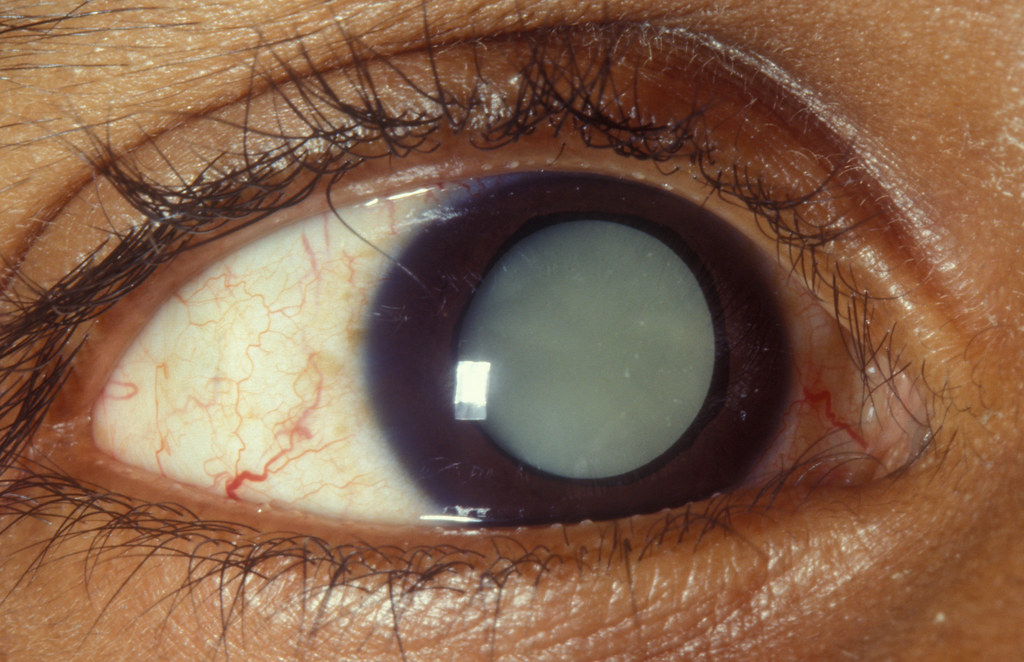
A cataract is a clouding or yellowing of the lens inside your eye just behind the iris, the uniquely colored part of the eye. In order to see clearly, a lens must be clear to focus light onto the retina at the back of the eye. With age and certain medical conditions, the lens becomes a cataract and decreases the focusing ability of the eye, clouding one’s vision.
What are the symptoms of a cataract?
- Cloudy, blurry, foggy, or filmy vision
- Glare or haloes seen at nighttime
- Changes in the way you see color
- Prescription changes in glasses
- Need for brighter light to read
- Double vision in one eye
- Poor night vision
- Light sensitivity (i.e. driving at night with oncoming headlights)
Cataract Surgery
There is no medical treatment for a cataract; the only treatment is surgical removal by cataract surgery. A tiny incision is made on an anesthetized eye, the cataract is softened by ultrasonic energy, and the softened lens material is removed by suction, or aspiration. The cataractous lens will then be replaced by an artificial intraocular lens, commonly called an IOL, usually made of medical-grade acrylic or silicone material.
Cataract Video Center
Laser Assisted Cataract Surgery with a Multifocal Lens
Laser Assisted Cataract Surgery with a Toric Lens
Laser Assisted Cataract Surgery with a Monofocal Lens
Intraocular Lens (IOL) Options
Monovision for Presbyopia
YAG Capsulotomy
PanOptix® Trifocal Lens
PanOptix® Trifocal IOL
AcrySof®IQ Vivity™
TECNIS® Family of IOLs
TECNIS® Symfony – Jane’s Story
TECNIS® IOLs – Three Patient Stories
Contact Lens Warning
Measurements of one’s natural corneal shape is critical in the pre-operative calculations used to perform cataract surgery. Since contact lenses rest directly on the cornea, the cornea’s natural shape will, over time, conform to the shape of the contact lens itself. Therefore, when pre-operative measurements for cataract surgery are performed immediately after a contact lens is removed from one’s eye, such measurements will not be accurate because the natural corneal shape has been altered by the contact lens. As a general rule, before your appointment, you should:
- Discontinue soft contact lens use 1-2 weeks prior to your visit.
- Discontinue hard contact lens use 2-3 weeks prior to your visit.